

How to help a toddler walk
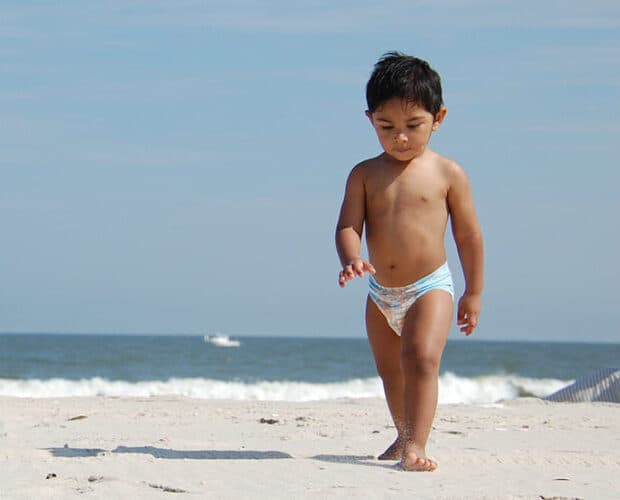
Here come your toddler’s first steps: little trots, bumps and tumbles! They’ll need your love, encouragement and support to build their motor skills and confidence. Your little one has already been preparing to walk by building strength and coordination through everyday movement, such as rolling, crawling, pulling up, cruising along furniture and playing on the floor.
When is your toddler ready to start walking?
Once they can pull themselves up and stand steadily while holding onto something like your legs or a sofa, you can start to encourage them further. They may start taking steps any time between 10-18 months, but remember every baby is different and yours will walk in their own time.
Ways to help your toddler walk independently
- Encourage their first independent steps with praise, outstretched arms and big smiles
- If they fall, give them a moment and let them stand back up themselves. This will help them practise balance, strength, and coordination
- Move furniture so your toddler can just about reach it while moving from one piece to another, and as your child’s balance improves, you can space it out a little more. Make sure furniture is stable before your toddler uses it to cruise, and keep heavy or climbable furniture away from windows
- Use toys to tempt them further; bubbles are good because toddlers love to follow them
- Barefoot is the way to go while they’re inside – wearing socks can be slippery if you have hard floors. If it is cold, use well-fitting non-slip socks or soft baby shoes
- Buy push toys to encourage walking and help their confidence. Make sure you choose one that is stable, age-appropriate, and used under supervision
- Take your little one out for a walk (not in the buggy). They need time to practise. Once your baby’s walking on their own, they should get at least 3 hours of physical activity each day. This can include standing, moving around, walking, active play, and outdoor time.
Keeping your toddler safe as they learn to walk
It may seem like your toddler wants to empty every cupboard in the house, so keep them safe as they explore with these tips.
Safety around the home
- Place child safety locks on cupboards and drawers, especially where cleaning products, medicines, or sharp items are stored
- Use safety gates at the top and bottom of stairs
- Place padding on sharp edges. Their head could be at the same level as your coffee table
- Keep the floor clear of toys to prevent tripping
- Your toddler will start to climb everything, so move the furniture away from windows
- Stay close around water, including ponds, paddling pools, and swimming pools. Empty paddling pools after use, use secure pool gates where needed, and make ponds inaccessible to young children
- When cooking, turn your pan handle in so your toddler can’t reach up and grab it
- Never leave your cup of tea or coffee in reach of your toddler
Climbing stairs safely
The easiest way for them to go down stairs is to either go down backwards on their tummy or facing forward on their bottom. Show them, and they will copy. It will take some time for them to learn how to take alternate steps, so be patient and never let them go up and down by themselves. Use safety gates at the top and bottom of stairs, and do not let your toddler go up or down stairs on their own.
When to seek further support
Independent walking is a big milestone, and every toddler gets there at their own pace, so try not to compare yours to others. But if your toddler isn’t bearing weight on their legs, hasn’t started pulling up to stand by around 12 months, is not cruising by 12-18 months, or you have any concerns about your child’s development, speak to your health visitor, GP or a healthcare professional.
For more guidance and tips, explore the Capricare® Parent Support Hub
Manufactured in New Zealand by:
Dairy Goat Co-operative (N.Z.) Limited.
18 Gallagher Dr, Hamilton,
New Zealand.